
Best Drought-Resistant Plants for Low-Water Garden Irrigation Systems
Low-water gardening is no longer a niche concept in the UK – it is becoming a practical response to increasingly unpredictable rainfall patterns, hotter summers, and urban soil challenges. In areas such as Woolwich, where gardens are often compact, shaded, or affected by heat reflection from buildings, efficient water use is essential.
A well-designed low-water irrigation system combined with drought-resistant planting creates a garden that is not only resilient but also significantly easier to maintain.
This guide explores the best plants, irrigation strategies, soil preparation methods, and design principles for creating a sustainable garden that thrives with minimal watering.
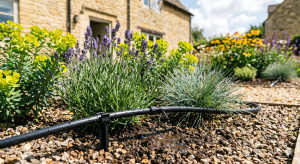
Why Drought-Resistant Gardening Matters in UK Cities Like Woolwich
Although the UK is often associated with rainfall, modern gardening conditions tell a different story:
- Longer dry spells in summer
- Sudden rainfall rather than consistent watering
- Heatwaves increasing soil evaporation
- Urban “heat island” effects in built-up areas
- Small gardens losing moisture faster due to paving and fencing
In Woolwich specifically:
- Terraced gardens often receive uneven sunlight
- Soil is frequently compacted or clay-heavy
- Water drainage varies significantly between properties
These factors make water-efficient planting essential for long-term garden health.
What Makes a Plant Drought-Resistant?
Drought-resistant plants are not “no-water” plants. Instead, they are adapted to survive with minimal irrigation once established.
They typically feature:
- Deep or extensive root systems to access underground moisture
- Waxy, hairy, or narrow leaves to reduce water loss
- Water-storing tissues (succulent-type structures)
- Slow transpiration rates
- Natural adaptation to dry or Mediterranean climates
Once established (usually 1–2 growing seasons), they require significantly less irrigation than traditional bedding plants or lawns.
Best Drought-Resistant Plants for UK Gardens
1. Lavender (Lavandula angustifolia)
Lavender is one of the most reliable drought-tolerant plants for UK gardens.
Why it thrives:
- Prefers dry, well-drained soil
- Dislikes overwatering (a common mistake in UK gardens)
- Strong resistance to summer heat once established
- Natural pest resistance
Best uses:
- Borders and edging
- Driveway planting
- Raised beds and gravel gardens
Lavender works best with low-frequency drip irrigation, only during establishment.
2. Rosemary (Salvia rosmarinus)
A Mediterranean evergreen herb that performs exceptionally well in dry UK conditions.
- Extremely low water demand
- Year-round structure and greenery
- Aromatic and culinary uses
- Resistant to poor soil conditions
Ideal placement:
- Sunny garden edges
- Herb beds
- Containers near patios
Common mistake:
Overwatering is the main cause of rosemary failure in UK gardens.
3. Sedum (Stonecrop)
Sedums are among the toughest drought-resistant plants available.
- Store water in thick, fleshy leaves
- Thrive in shallow or poor soils
- Excellent for exposed or dry areas
Best applications:
- Green roofs
- Rock gardens
- Gravel landscaping schemes
They are often used in modern low-maintenance garden designs.
4. Salvia (Ornamental Sage Varieties)
Salvias combine drought resistance with long flowering periods.
Advantages:
- Long seasonal bloom (spring to autumn)
- Strong pollinator attraction
- Adaptable to UK climates once established
Garden value:
They provide colour without requiring intensive watering schedules.
5. Russian Sage (Perovskia atriplicifolia)
A highly resilient perennial ideal for dry, sunny borders.
Key traits:
- Silvery foliage reduces water loss
- Tall architectural structure for landscaping
- Extremely tolerant of heat and drought
Best placement:
- Back borders
- Feature planting zones
- Mixed perennial beds
6. Ornamental Grasses (Stipa, Miscanthus, Festuca)
Ornamental grasses are essential for modern drought-tolerant gardens.
Why they succeed:
- Deep, efficient root systems
- Excellent wind and drought resilience
- Minimal maintenance once established
They add:
- Movement
- Texture contrast
- Year-round structure
7. Thyme (Thymus serpyllum)
A low-growing herb that doubles as ground cover.
- Excellent drought tolerance
- Can withstand light foot traffic
- Fragrant and edible
Best use cases:
- Between paving stones
- Gravel paths
- Small lawn alternatives
8. Echinacea (Coneflower)
A hardy perennial that performs well in hot, dry conditions.
- Long flowering season
- Strong pollinator support
- Tolerates poor soil once established
How Low-Water Irrigation Systems Support These Plants
A drought-resistant garden performs best when paired with efficient irrigation design.
1. Drip Irrigation Systems
Drip systems deliver water directly to the root zone.
Benefits:
- Reduces evaporation loss
- Targets water precisely where needed
- Prevents overwatering foliage
Best for:
- Flower beds
- Shrub borders
- Mixed planting schemes
2. Soaker Hoses
Soaker hoses allow slow, consistent watering along their entire length.
Best for:
- Long borders
- Hedge lines
- Continuous planting beds
3. Smart Irrigation Controllers
Modern systems adjust watering based on:
- Rainfall levels
- Temperature
- Soil moisture sensors
Result:
- Reduced water waste
- Healthier plant root development
- Lower maintenance effort
Soil Preparation: The Most Important Step
Even drought-resistant plants fail without correct soil conditions.
Essential preparation steps:
- Improve drainage using grit or sand in heavy soils
- Add organic matter (compost) to improve structure
- Avoid compacted soil, especially in urban gardens
- Create raised beds where drainage is poor
In Woolwich gardens, clay-heavy soil often requires significant improvement before planting.
Smart Planting Design Strategy
To maximise success group plants by water needs:
- High drought tolerance zones (lavender, sedum)
- Moderate zones (salvia, echinacea)
- Transitional areas near irrigation points
Apply mulch:
- Reduces evaporation
- Suppresses weed growth
- Improves soil moisture retention
Water deeply, not frequently. Encourages deep root growth, making plants more resilient.
Common Mistakes in Low-Water Garden Design
- Overwatering drought-tolerant plants after establishment
- Mixing high-water and low-water species together
- Ignoring soil drainage improvements
- Installing irrigation without zoning control
- Expecting immediate drought resistance without establishment time
Maintenance Expectations (What Homeowners Should Know)
Low-water gardens are not “zero maintenance”, but they are significantly easier:
- Occasional deep watering during extreme dry spells
- Seasonal pruning of woody plants
- Minimal fertiliser use required
- Weed control mainly during early establishment phase
- Annual inspection of irrigation system
Once established, maintenance drops significantly compared to traditional lawns.
Cost Overview for UK Low-Water Gardens
Costs vary depending on scale and system complexity:
- Drought-resistant plants: £3 – £15 each
- Drip irrigation installation: £300 – £1,500+
- Soil improvement works: £50 – £400
- Professional garden design: £500 – £3,000+
Long-term savings include:
- Reduced water bills
- Lower lawn maintenance costs
- Fewer seasonal replanting needs
Environmental Benefits
Drought-resistant gardens contribute to:
- Reduced household water consumption
- Improved pollinator habitats
- Lower reliance on chemical fertilisers
- Increased urban biodiversity
- Better adaptation to climate variability
Best Approach for UK Low-Water Gardens
The most effective drought-resistant garden strategy combines:
- Mediterranean-style planting (lavender, rosemary, thyme)
- Structural perennials (salvia, echinacea, Russian sage)
- Ornamental grasses for resilience and movement
- Efficient drip irrigation systems
- Proper soil preparation before planting
For Woolwich homeowners, this creates a future-proof garden that stays attractive, functional, and low-maintenance even during dry UK summers.
Local Gardening Tips and Professional Care Advice for Woolwich Gardens
- Best Drought-Resistant Plants for Low-Water Garden Irrigation Systems
- How Much Does Patio Pressure Washing Cost in the UK?
- How Often Should You Mow Your Lawn?
- Top 7 Signs Your Garden Needs Professional Maintenance
- Turfing vs Artificial Grass: What Works Best in Woolwich Gardens?
- Tree Cutting Laws and Permissions in Woolwich (2026 UK Legal Guide)
- Overgrown Garden Clearance in Woolwich: Step-by-Step Guide for Fast, Safe Results